
For four days every September, Leh stops being a stopover on the way to somewhere else and becomes the destination itself. If you're planning to be there for it, where you stay matters more than it does on an ordinary Ladakh trip — and here's exactly why.
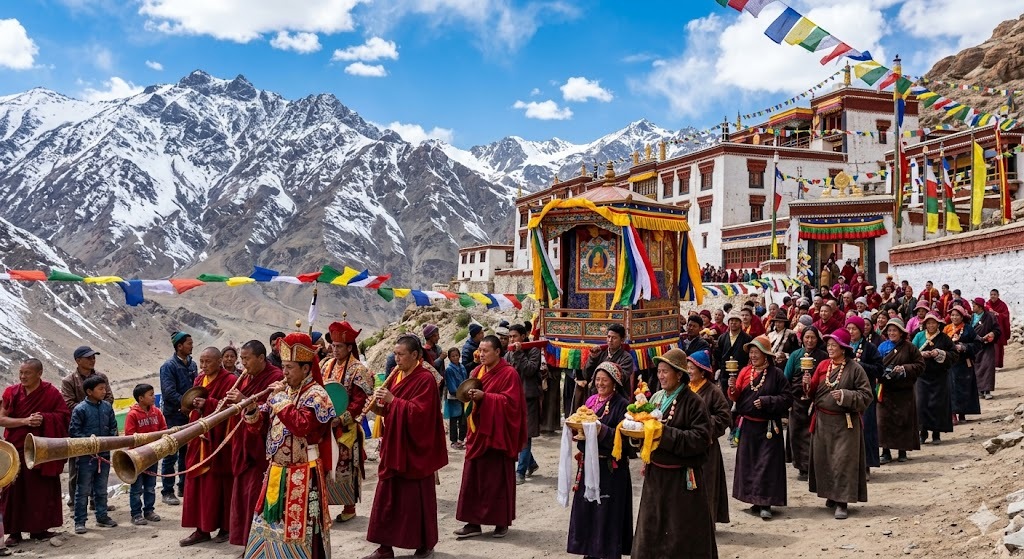
The Ladakh Festival is the region's biggest annual cultural event — a week of processions, archery, polo, and monastery mask dances that has run every September since the 1970s, organised by the Ladakh Tourism Department. In 2026, it runs from 21 to 24 September, opening with a procession of cultural troupes through Leh Market and closing at the Polo Ground.
It's also, practically speaking, the single busiest week of the year to be in Leh. More visitors, more traffic through the market, more demand on hotels, restaurants, and transport than at almost any other point on the calendar. That combination — a major event plus a town that's genuinely small — is exactly why the choice of hotel matters more this week than it would on a quieter one.
What the Festival Actually Involves
The Ladakh Festival isn't a single event so much as a rolling week of them, spread across Leh and its surrounding villages.
- Opening procession: cultural troupes from across the region parade through Leh Market in traditional dress, with music and dance — the festival's most photographed moment.
- Archery and polo: traditional Ladakhi sport, taken seriously and played competitively, usually at the Leh Polo Ground.
- Masked dances: monastic cham performances, the same tradition seen at individual monastery festivals throughout the year, brought together during festival week.
- Craft and food stalls: local artisans and cooks set up through Leh Market, making the week as good for eating and browsing as it is for watching performances.
Festival details and dates confirmed via the Ladakh Tourism Department's annual programme.
Why Hotel Choice Matters More During Festival Week
On a normal week in Leh, most hotels in town are a reasonably similar distance from Leh Palace, the market, and the polo ground — the town is compact enough that it rarely matters much. Festival week changes that calculation in three specific ways.
Traffic and walking distance become real factors
With significantly more visitors in town and vehicle movement restricted around the market during processions, being able to walk to the festival's key locations — rather than needing a car through congested streets — stops being a nice-to-have and starts being genuinely useful.
Altitude doesn't pause for the festival
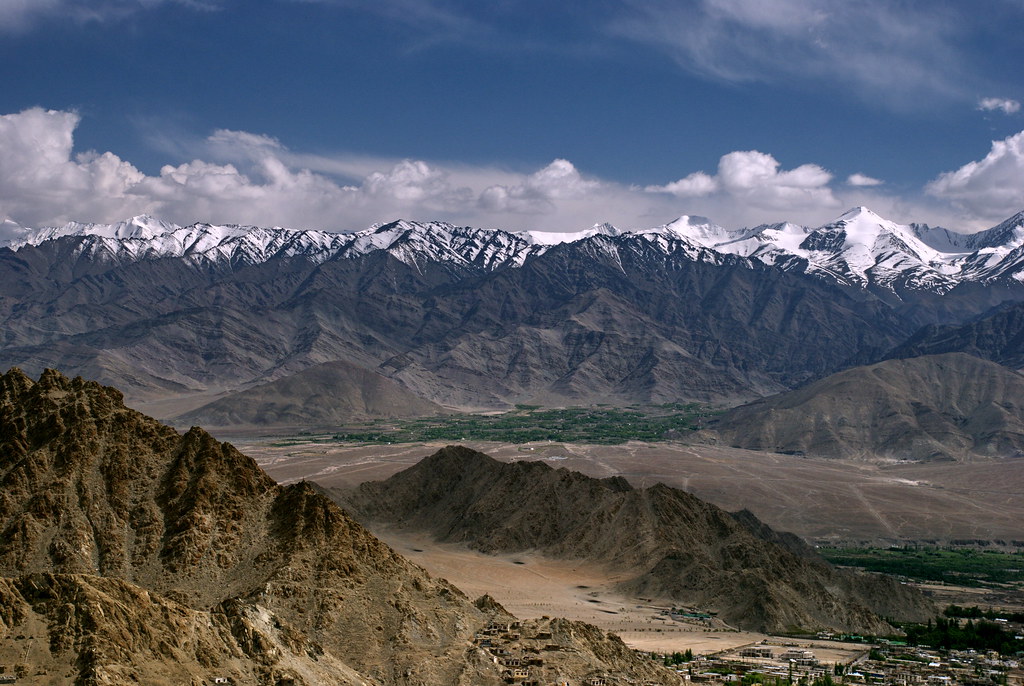
Leh sits at 11,562 feet, and festival week draws visitors who often arrive with only a day or two of acclimatisation before the main events begin. A hotel that takes altitude seriously — not just as an afterthought, but as something built into the room and the daily routine — matters more when your schedule is packed with festival events rather than built around rest days.
Recovery time is short and the days are long
Festival days run from morning processions through evening performances. A spa or wellness facility that's actually part of the property, rather than a separate booking across town, is the difference between a proper recovery in the evening and losing an hour of your one evening off to travel.
Read Also: The Grand Dragon Ladakh: Where the Roof of the World Meets Five-star Luxury
Saka Dawa Festival in Ladakh: Where to Stay for the Celebration
How The Grand Dragon Ladakh Fits This Specific Week
Location: close enough to walk, far enough to sleep
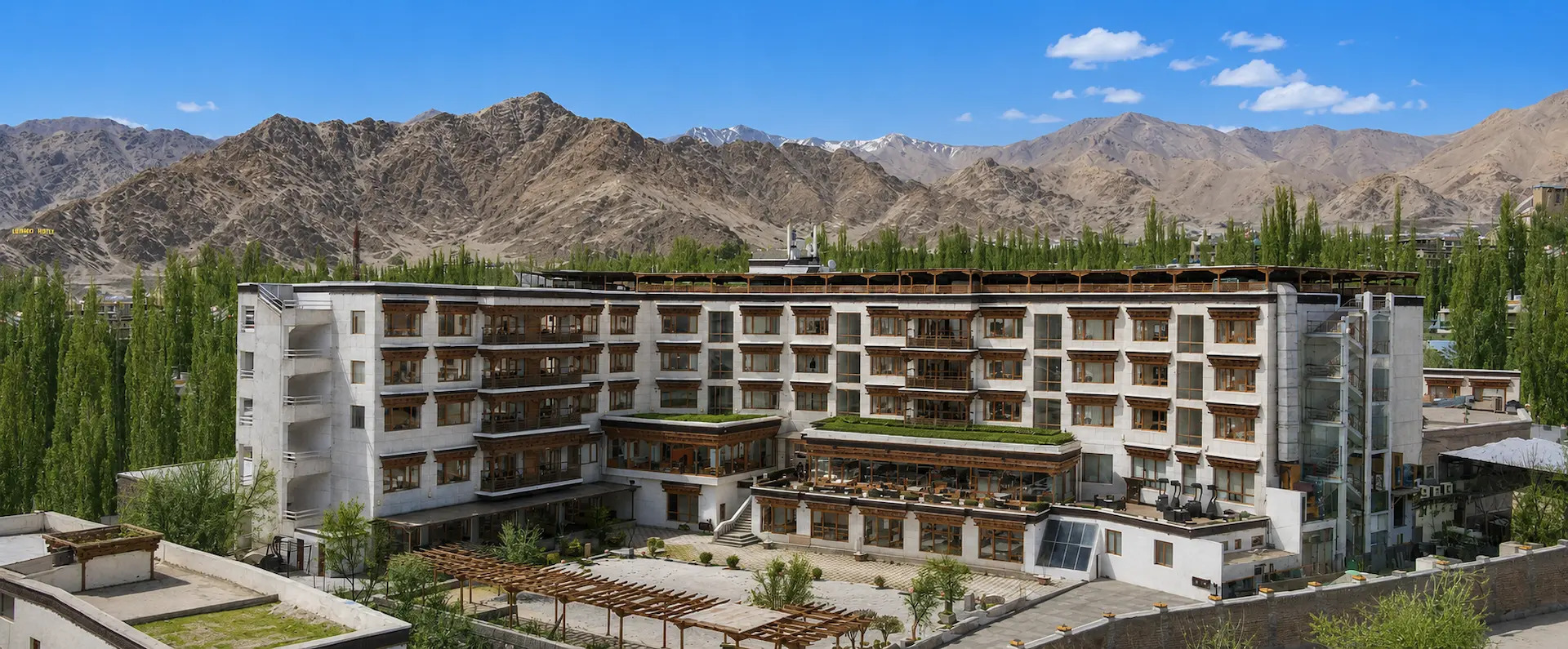
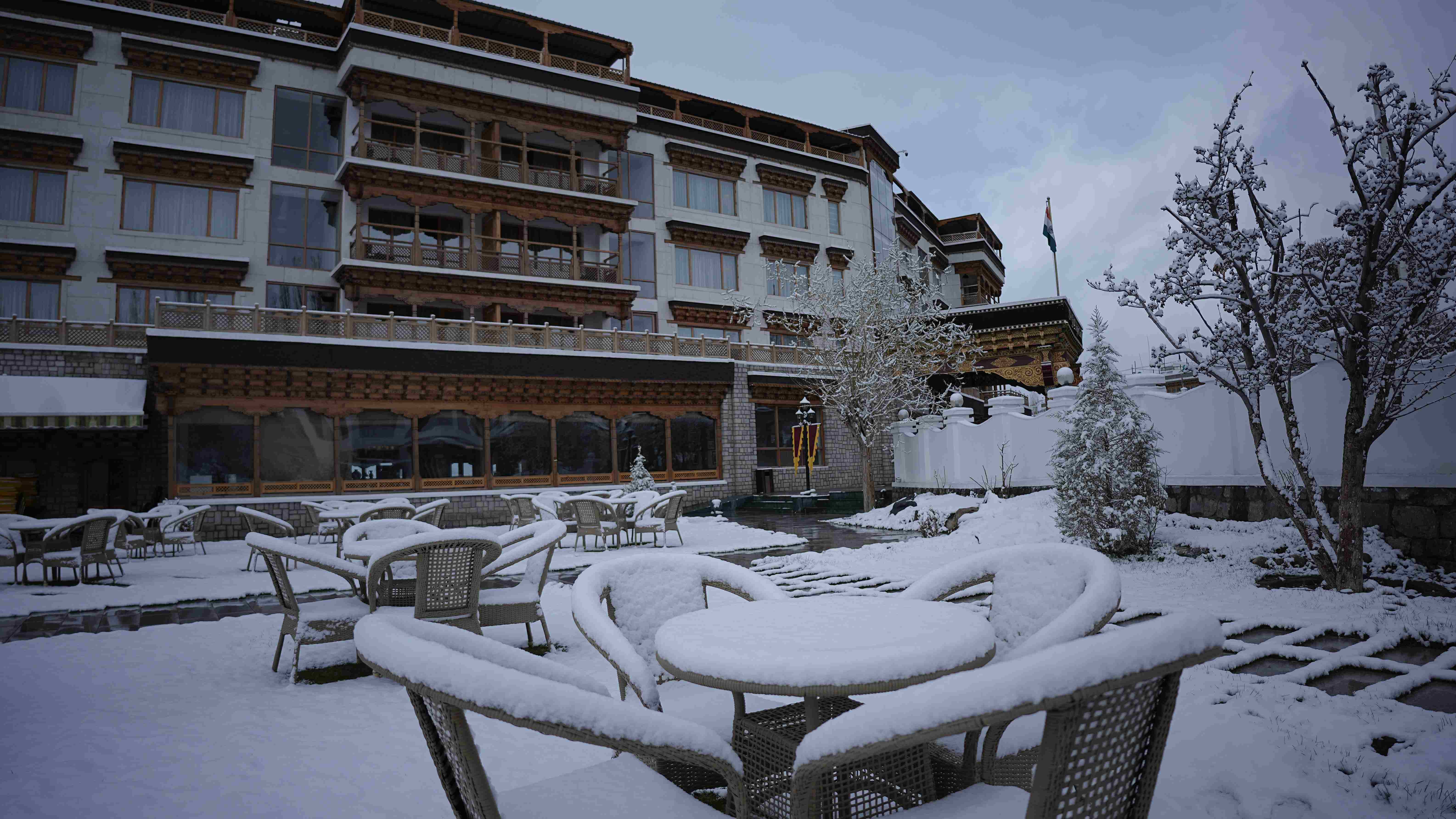
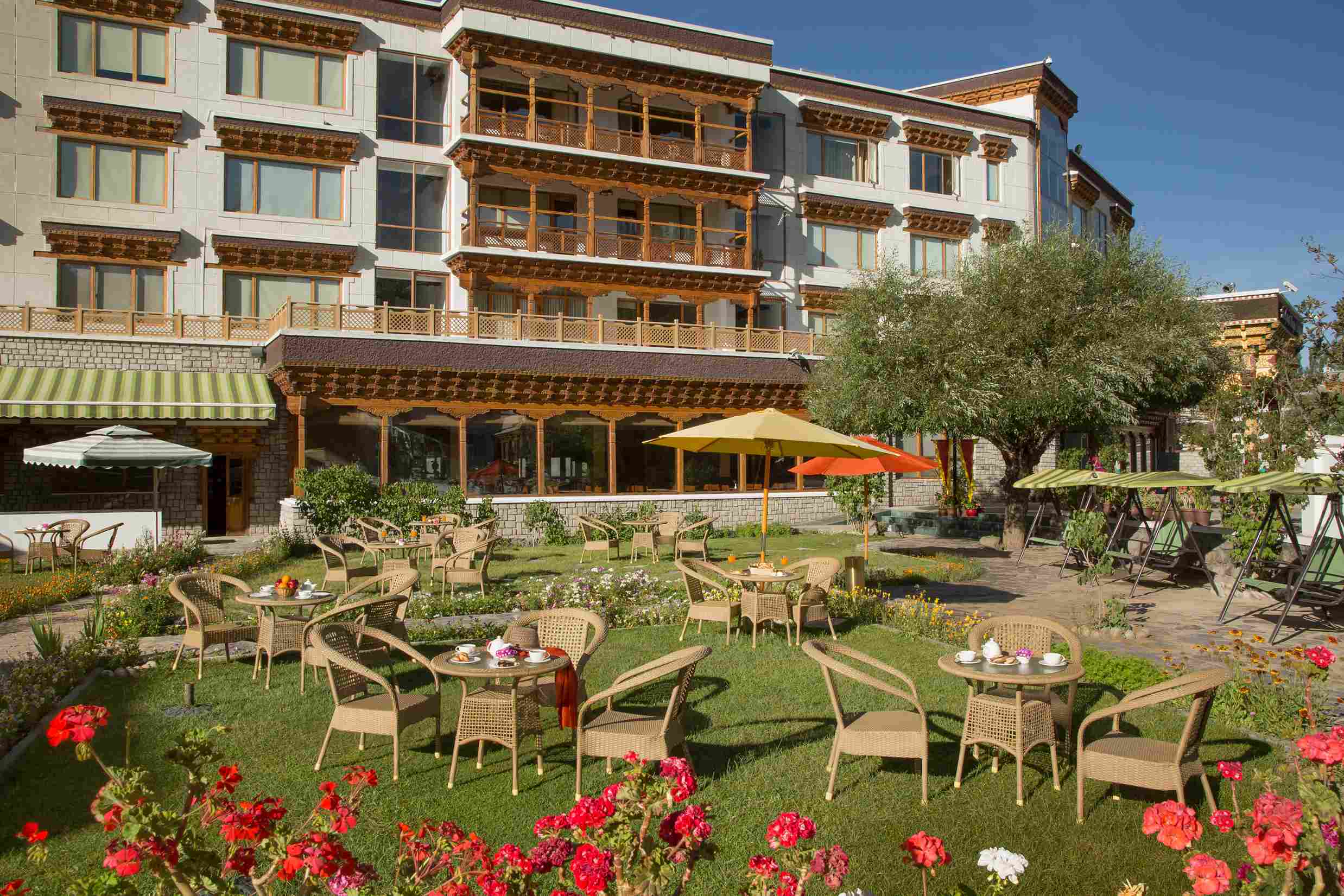
The Grand Dragon Ladakh sits on P. Namgyal Road in Sheynam, roughly a ten-minute walk from Leh Palace and Leh Market — close enough to reach the festival's opening procession and market stalls on foot, without needing a car through the week's heaviest traffic.
Built for altitude, not just for views
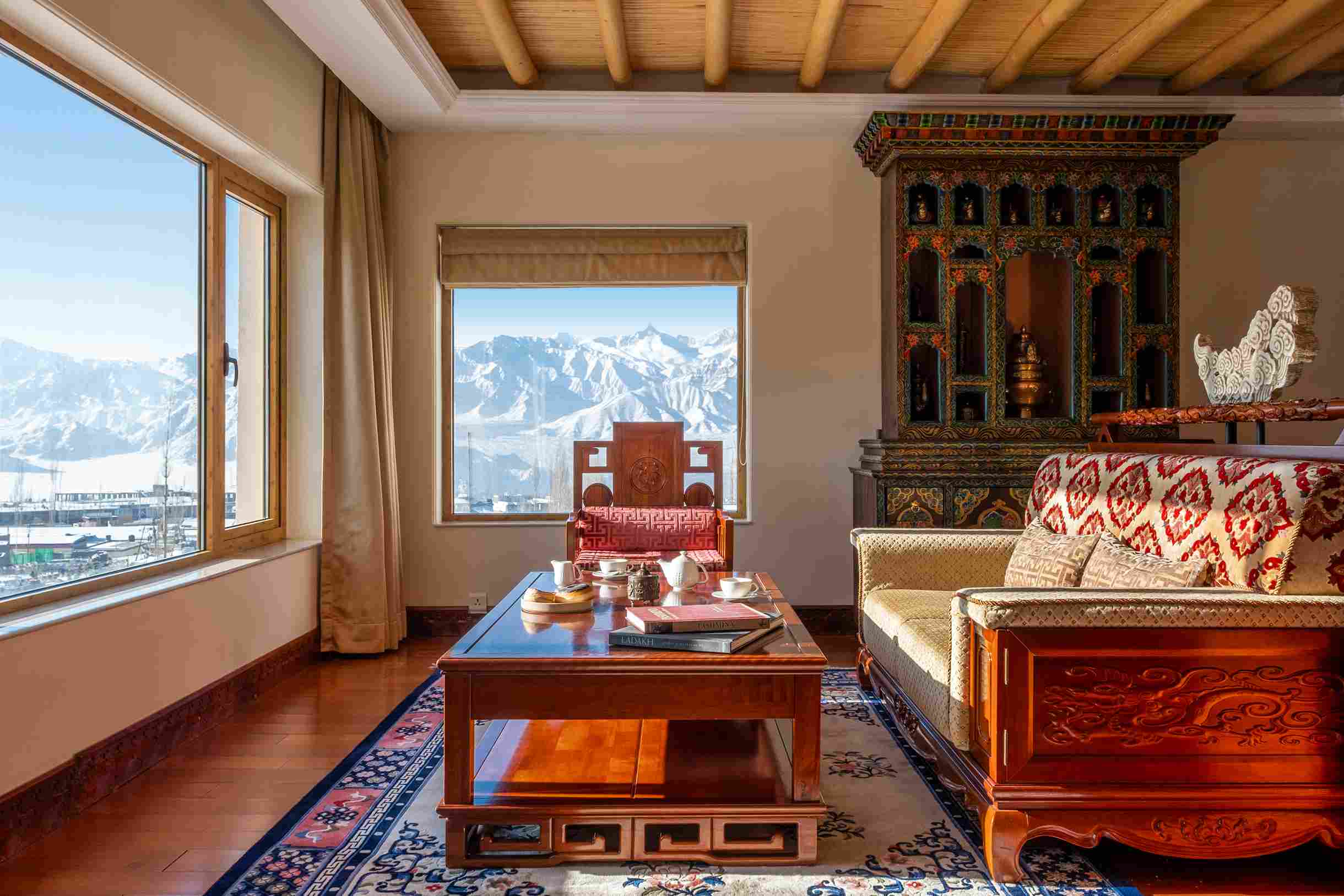
Every room includes fresh air systems with humidifiers, heated teak flooring, and oxygen cylinders and camphor sachets on request — details that matter more during a week when your schedule doesn't leave much room for an extra rest day to acclimatise.
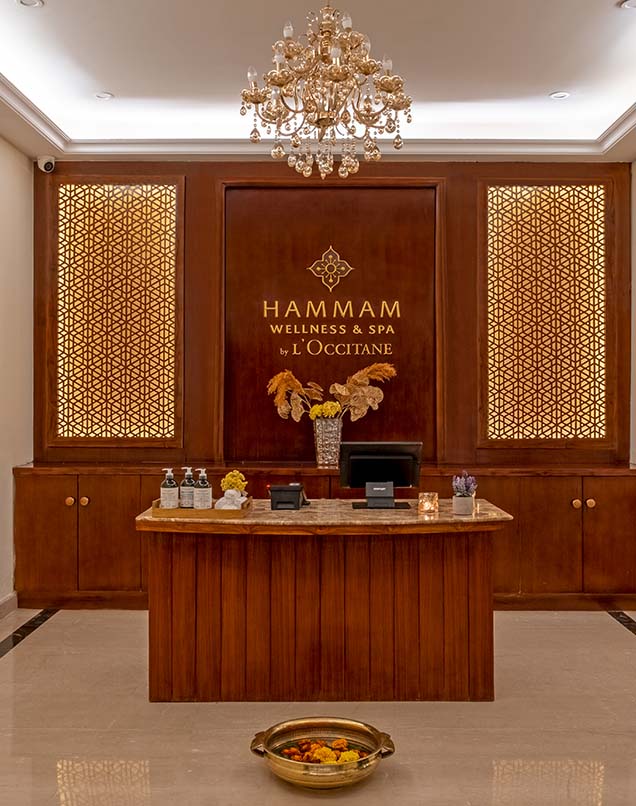
The Hammam Wellness & Spa by L'OCCITANE
On-site, rather than a separate booking across town. After a full day of festival walking — procession in the morning, polo or archery in the afternoon, mask dances in the evening — a Hammam-style steam and a treatment room five minutes from your bed is a genuinely different proposition from finding a spa slot somewhere else in Leh and factoring in the drive.
Dining that doesn't require another decision
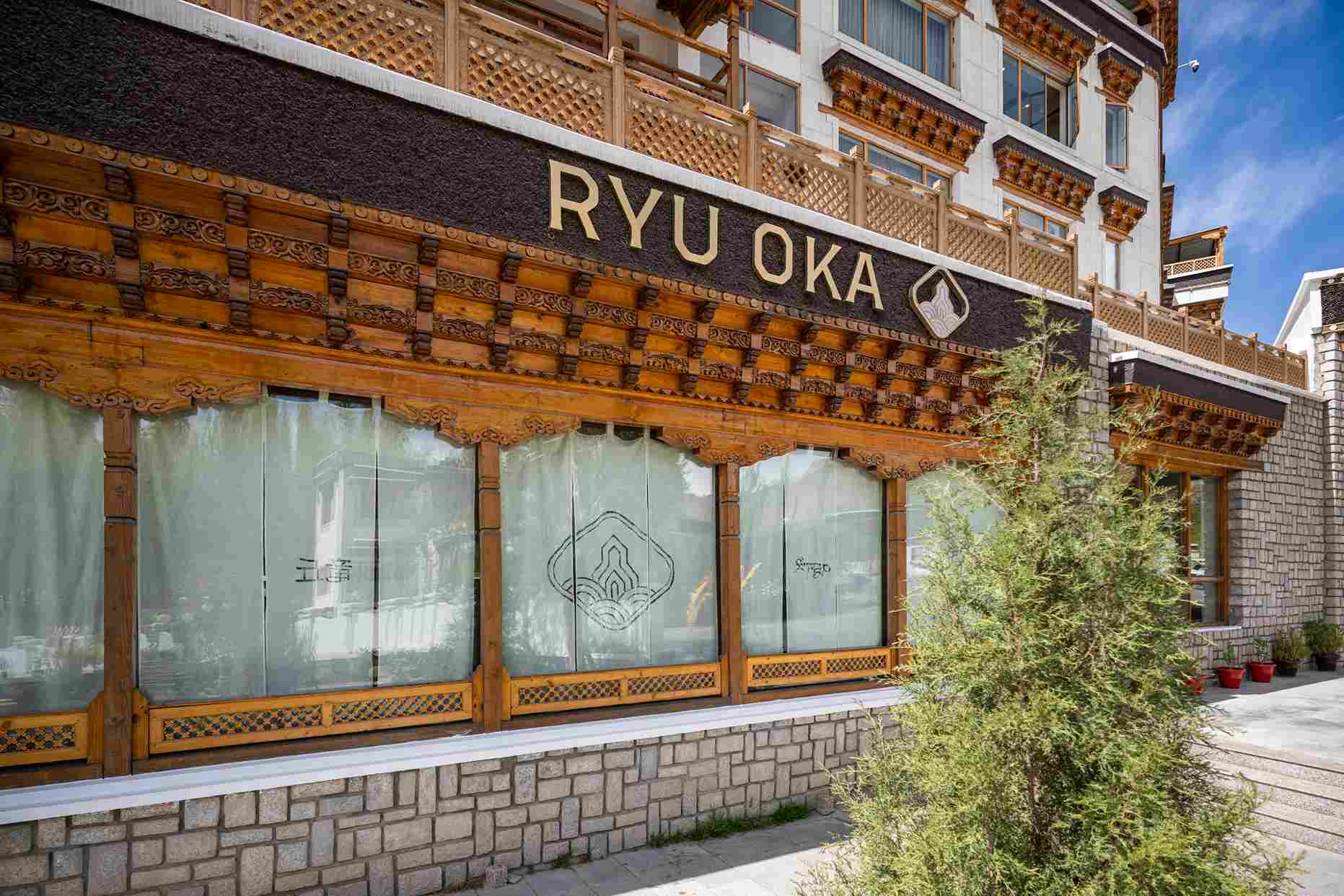
Zasgyath's terrace looks out toward the Stok Kangri range and serves Ladakhi staples like Thukpa, Gurgur Chai, and Khambir bread alongside international options; Tusrabs offers a more intimate Ladakhi and Kashmiri menu. During a week when everyone in town is trying to get a dinner table, having two on-property options removes one more piece of daily logistics.
Rooms built for a group, if you're travelling as one
The Family Suite — a favourite with multi-generational groups — includes a master bedroom, an interconnecting living and dining area, and a separate twin bedroom, useful if you're bringing family specifically for the festival rather than travelling solo.
A Festival Week, Day by Day
A realistic shape for four days in Leh around the festival, based at The Grand Dragon Ladakh:
Day 1 Arrive, check in, and deliberately do very little. Altitude adjustment matters more this week than any other, since the festival schedule ahead is full. An early Zasgyath dinner and an early night.
Day 2 Opening procession through Leh Market — a ten-minute walk from the hotel. Afternoon at leisure or a Hammam spa session to recover from the walking and the altitude. Evening at Tusrabs.
Day 3 Archery or polo at the Polo Ground, craft stalls through Leh Market in the afternoon, monastery mask dances in the evening. This is the longest day of the festival — the spa booking is worth making in advance.
Day 4 A quieter final day — closing events, a last walk through the market, and time to actually process what you've seen before heading home or on to the rest of a Ladakh itinerary.
Booking Ahead of Festival Week
Leh's hotel capacity is genuinely limited by the town's size, and festival week is, by a wide margin, the busiest of the year. If your trip is built around the festival dates specifically — 21 to 24 September 2026 — it's worth booking earlier than you would for an ordinary Ladakh visit rather than assuming rooms will still be open a few weeks out.
Booking directly through the hotel also brings a few practical advantages worth knowing about: complimentary airport pick-up or drop (confirm at the time of booking), a flat discount on food and beverage, and early check-in or late check-out where the schedule allows — useful if your flight timing doesn't line up neatly with festival days.
The Grand Dragon Ladakh — a ten-minute walk from Leh Palace and Leh Market, built for altitude, with an on-site Hammam spa by L'OCCITANE.
Frequently Asked Questions
When is the Ladakh Festival in 2026?
The Ladakh Festival runs from 21 to 24 September 2026 in Leh and surrounding villages, organised annually by the Ladakh Tourism Department since the 1970s.
How far is The Grand Dragon Ladakh from the festival's main events?
The hotel is on P. Namgyal Road in Sheynam, approximately a ten-minute walk from Leh Palace and Leh Market, where the festival's opening procession and stalls are held.
Does The Grand Dragon Ladakh have a spa?
Yes — the Hammam Wellness & Spa by L'OCCITANE is on-site, offering steam, sauna, and treatment rooms, useful for recovery during a physically full festival schedule.
Is The Grand Dragon Ladakh a 5-star hotel in Leh?
Yes. It is Ladakh's first government-certified 5-star hotel, located in the heart of Leh.
How early should I book a hotel in Leh for the Ladakh Festival?
Given Leh's limited hotel capacity and the festival's status as the region's busiest week of the year, booking well ahead of 21–24 September 2026 is advisable rather than waiting until closer to the dates.
Does the hotel help with altitude acclimatisation?
Yes. Rooms include fresh air systems with humidifiers and heated teak flooring, and oxygen cylinders and camphor sachets are available on request — relevant given Leh's 11,562-foot elevation.
Four days a year, Leh becomes something it isn't for the other 361. Where you stay for those four days shapes how much of it you actually get to enjoy — how far you have to travel between events, how well you recover between them, and how much of the festival you experience rather than commute to.
The Grand Dragon Ladakh is built for exactly that week.