
Every visitor to Leh deals with the same thing in the first 24 to 48 hours — thinner air, disrupted sleep, low energy — regardless of how fit or well-travelled they are. Most hotels treat this as something you simply endure. One 5-star property in Leh has built an entire wellness programme around it instead.
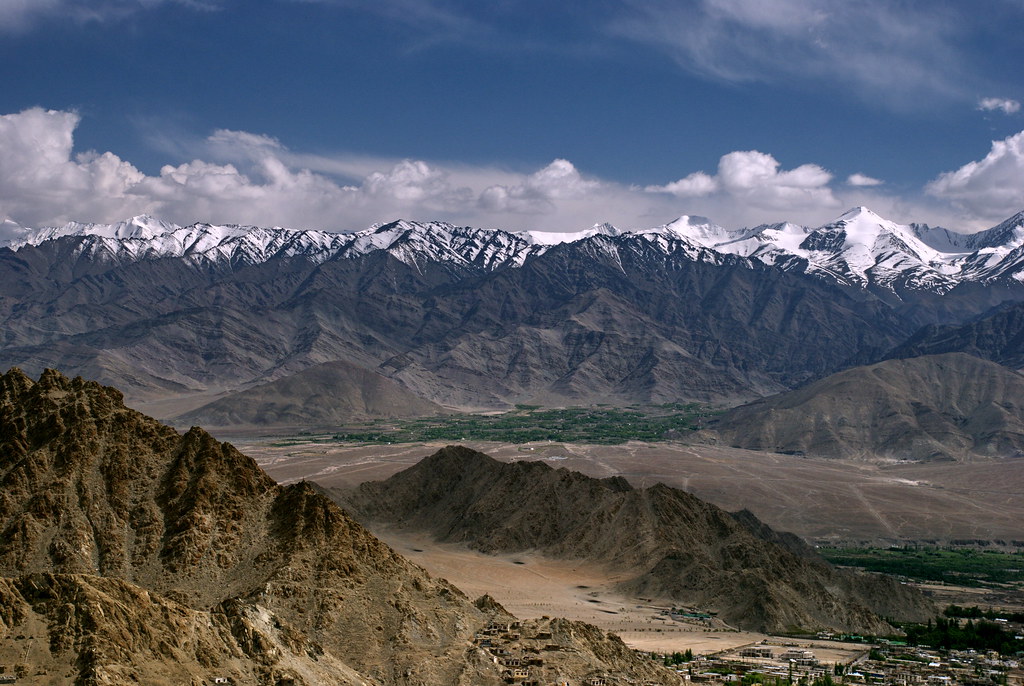
Leh sits at 11,562 feet, high enough that altitude genuinely affects almost everyone who arrives here, at least for the first day or two. This isn't a claim specific to any one hotel — it's simply what happens to the human body at this elevation, and it's precisely why the choice of hotel in Leh matters more than it would almost anywhere else in India. A 5-star rating here isn't just about thread counts and room service. It's about whether a property has actually built its amenities around the one thing every single guest is dealing with.
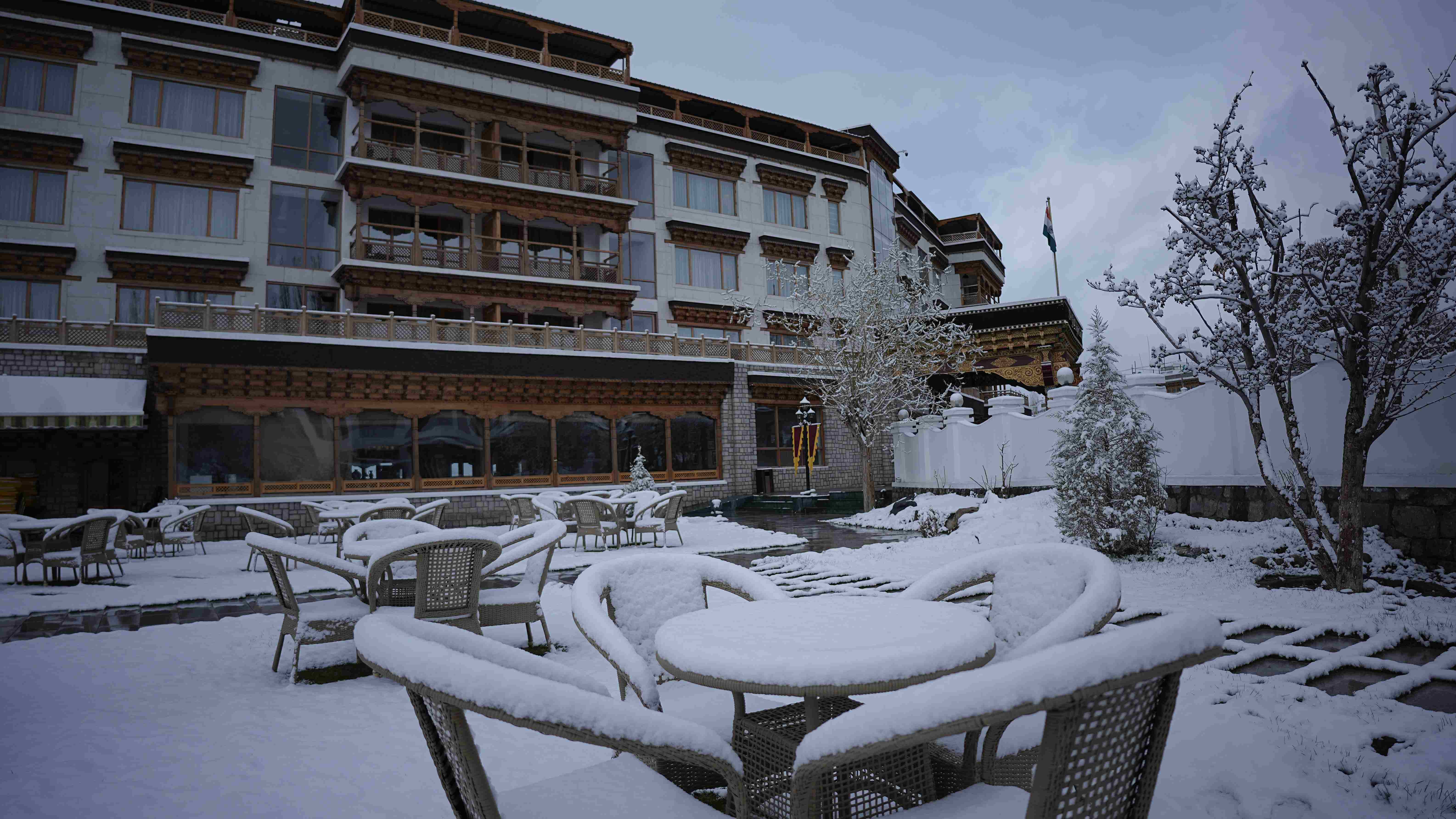
The Grand Dragon Ladakh, Ladakh's only government-certified 5-star hotel, has taken this further than most — not with vague wellness marketing, but with a genuine, purpose-built spa that opened in July 2024 specifically to address it. This piece covers what that spa actually involves, why the timing of your trip matters this particular season, and what “5-star hotel in Leh” should genuinely mean at this altitude.
Why Altitude Changes What You Need From a Hotel
Leh's elevation means meaningfully less atmospheric oxygen than most visitors are used to, which is why altitude sickness — headaches, fatigue, disrupted sleep, shortness of breath on exertion — is common in the first day or two, even among fit, experienced travellers. None of this is unique to any individual visitor; it's a straightforward physiological response to the elevation itself, and it typically eases within 24 to 48 hours as the body acclimatises.
The standard, widely recommended approach to managing this is straightforward: arrive with no major physical exertion planned for the first day, stay well hydrated, avoid alcohol in the first 24 hours, and give the body time to adjust before attempting anything strenuous like a long trek or a high mountain pass. Most travel advisories and doctors recommend at least one full rest day in Leh itself before heading further into the region's higher passes.
What this means practically for choosing a hotel: amenities that would be a nice-to-have anywhere else — humidified rooms, oxygen support on request, a genuine spa rather than a single massage room — become considerably more relevant here. A hotel that's built its facilities specifically around this reality tends to make the first uncomfortable day or two of a Ladakh trip meaningfully easier than one that hasn't, particularly for guests who've just landed after a flight and gone from near sea level to over 11,000 feet in the space of a couple of hours — a much sharper transition than arriving by road, where the body has at least some gradual adjustment built into the journey.
To be clear, this is a comfort and recovery consideration, not a medical one — anyone with genuine concerns about altitude sickness should consult a doctor before travelling to high-elevation destinations, and a spa treatment is not a substitute for appropriate acclimatisation or medical care.
The Shoulder Season: Why Late August Through September Matters
Ladakh's tourist season is genuinely short. Winter effectively closes much of the region to casual travel — roads become difficult or impassable, and the harsher cold adds a real physical burden on top of the altitude itself. That leaves a relatively narrow window, roughly May through September, when travelling here is comfortable rather than an endurance exercise.
Late August through September specifically — the point this guide is being written from — is often considered one of the better stretches within that window: past the peak summer crowds and heat, with clearer skies increasingly common as the monsoon influence (limited as it is this far into the rain shadow) fades, and still comfortably before the shoulder into winter closure begins in earnest. For anyone weighing when to book a Leh trip this year, this stretch is worth treating as a genuine, time-limited opportunity rather than an arbitrary date on a calendar.
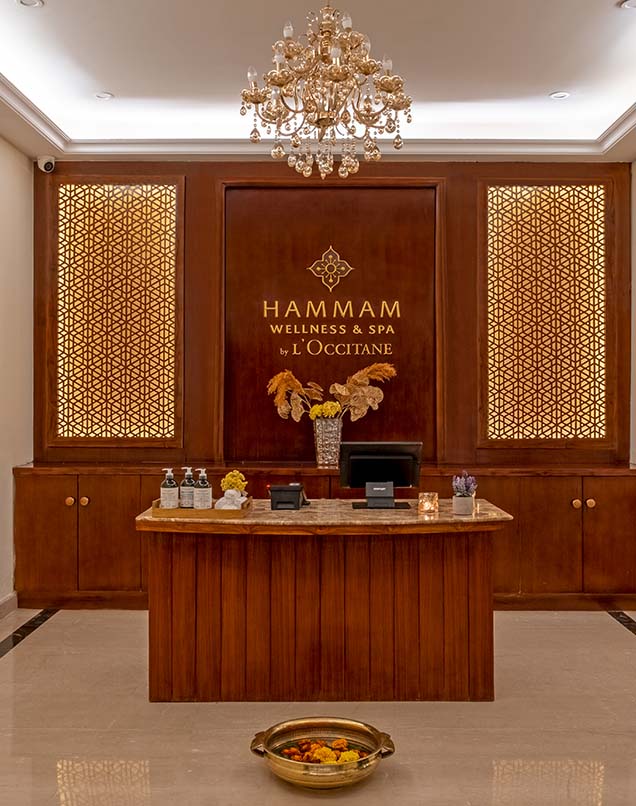
Hammam Wellness & Spa by L'OCCITANE
Opened in July 2024, this was the first spa of its kind to bring Mediterranean and Himalayan wellness traditions together under one roof in Ladakh — not simply a hotel spa with a recognisable brand name attached, but a purpose-designed space built specifically for this location and its guests.
The Space Itself
The spa's interior draws on Pinjara work — intricate geometric latticework characteristic of Central Asian architecture — complemented by hand-painted decorative ornamentation reflecting local Ladakhi artistic traditions. It's a deliberate design choice: a space that feels genuinely rooted in this specific place, rather than a generic international spa template dropped into a Himalayan hotel.
Treatment Rooms and Facilities
Four single treatment rooms, each with a private shower, are split evenly between the ladies' and gents' sides. Separate steam and sauna rooms are clad in Hammam stone specially sourced from central Kashmir — chosen specifically for its heat-retention properties, an important practical detail at this altitude and climate rather than a purely decorative one.
Treatments Offered
- Signature Himalayan and Tibetan treatments, developed specifically for this property rather than imported wholesale from elsewhere.
- Mediterranean and Provence-inspired therapies, reflecting the L'OCCITANE partnership's origins.
- Ayurvedic treatments and aromatherapy, alongside more conventional spa offerings like manicures and pedicures.
Guest feedback specifically and consistently connects the spa to altitude recovery — several reviews describe using spa treatments during the acclimatisation period, when more strenuous activities like the gym aren't yet advisable, and describe the experience as genuinely restorative during that adjustment window.
What “5-Star” Actually Means in Leh
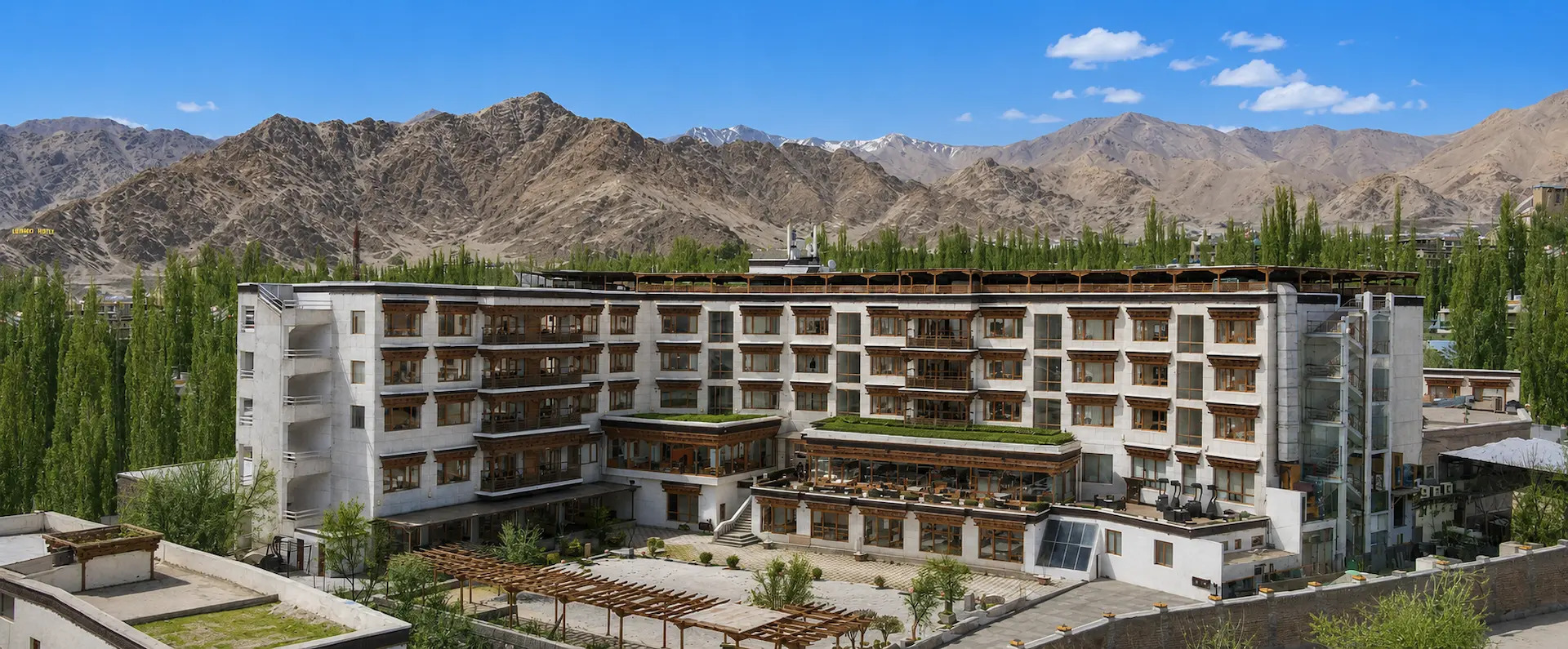
The Grand Dragon Ladakh holds the distinction of being Ladakh's only government-certified 5-star hotel — a specific, verifiable classification, not a marketing description. At 11,562 feet, that rating comes with particular, location-specific expectations that wouldn't apply at sea level.
- Altitude-specific amenities: humidifiers in rooms, sun protection and lip balm provided as standard given the high-altitude, dry climate, and additional oxygen support available on request.
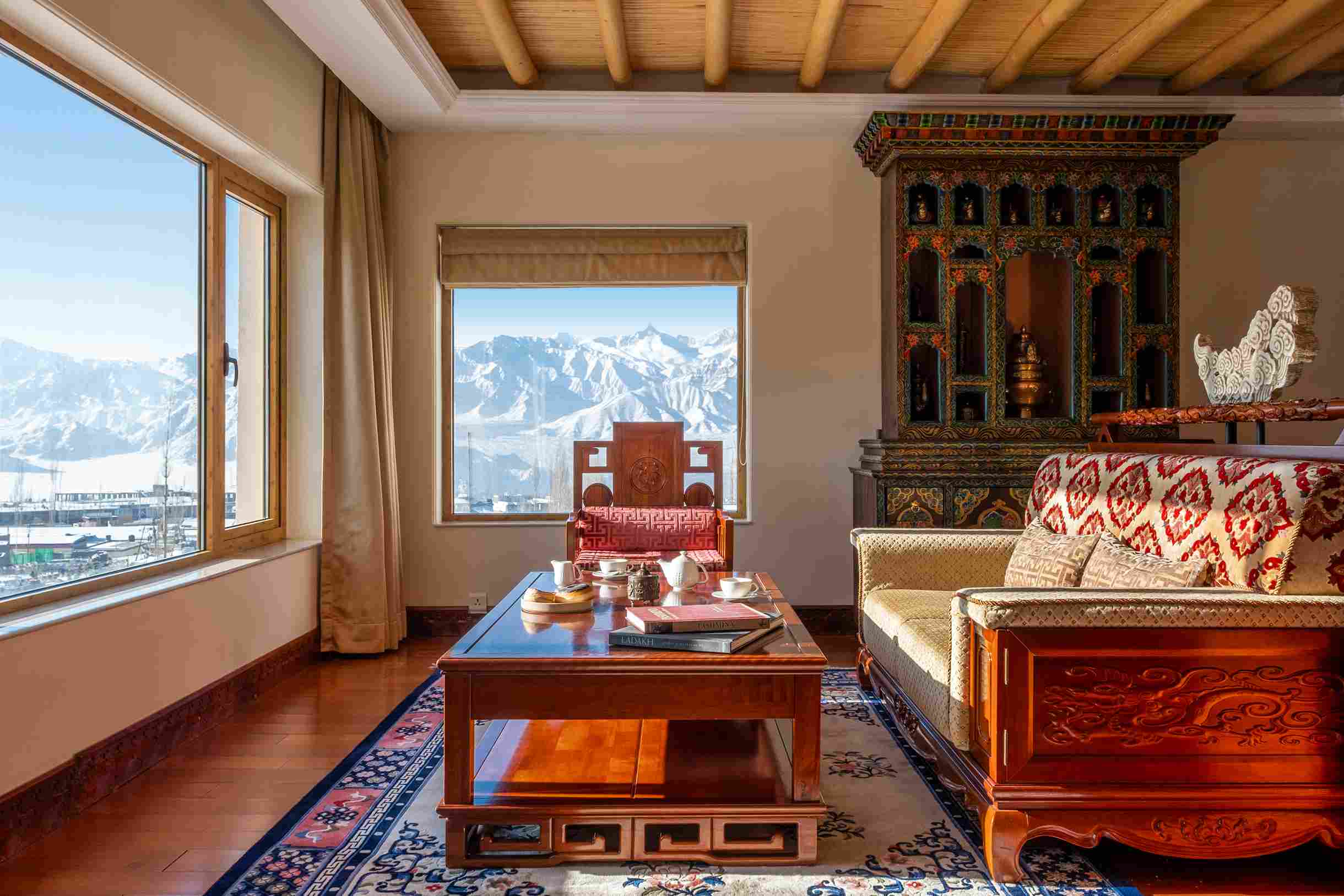
- Room categories: 75–76 rooms across Deluxe, Premier, and Luxury categories, individually furnished with separate sitting areas; Luxury rooms include a Nespresso machine and, in some cases, a private balcony with Stok Kangri mountain views.
- Dining: multiple on-site restaurants, including the property's Pan-Asian venue, alongside breakfast, brunch, lunch, and dinner service.
- Beyond the spa: a fully equipped gym, a dedicated yoga room, billiards, and Astrosport — a stargazing activity that takes advantage of Ladakh's exceptionally clear high-altitude night skies.
Who This Combination Actually Suits
- First-time high-altitude travellers: guests who haven't spent significant time above 10,000 feet before tend to feel the elevation most acutely in the first 24 hours — exactly the window a genuine spa and altitude-conscious room amenities are most useful for.
- Trekkers using Leh as a base or a recovery stop: many Ladakh itineraries use Leh as a staging point before or after a trek into the higher passes. A proper spa and gym recovery option matters considerably more here than at a hotel positioned purely as a transit stop.
- Honeymooners and couples: the combination of Stok Kangri views from Luxury rooms and a genuine couples-friendly spa experience suits a slower, more considered Ladakh trip rather than a rushed sightseeing itinerary.
- Business and conference travellers: the property's business centre and conference facilities, paired with genuine recovery options after a long travel day, suit guests whose trip to Leh is professional rather than purely recreational.
Sustainability as Part of the Standard, Not an Add-On
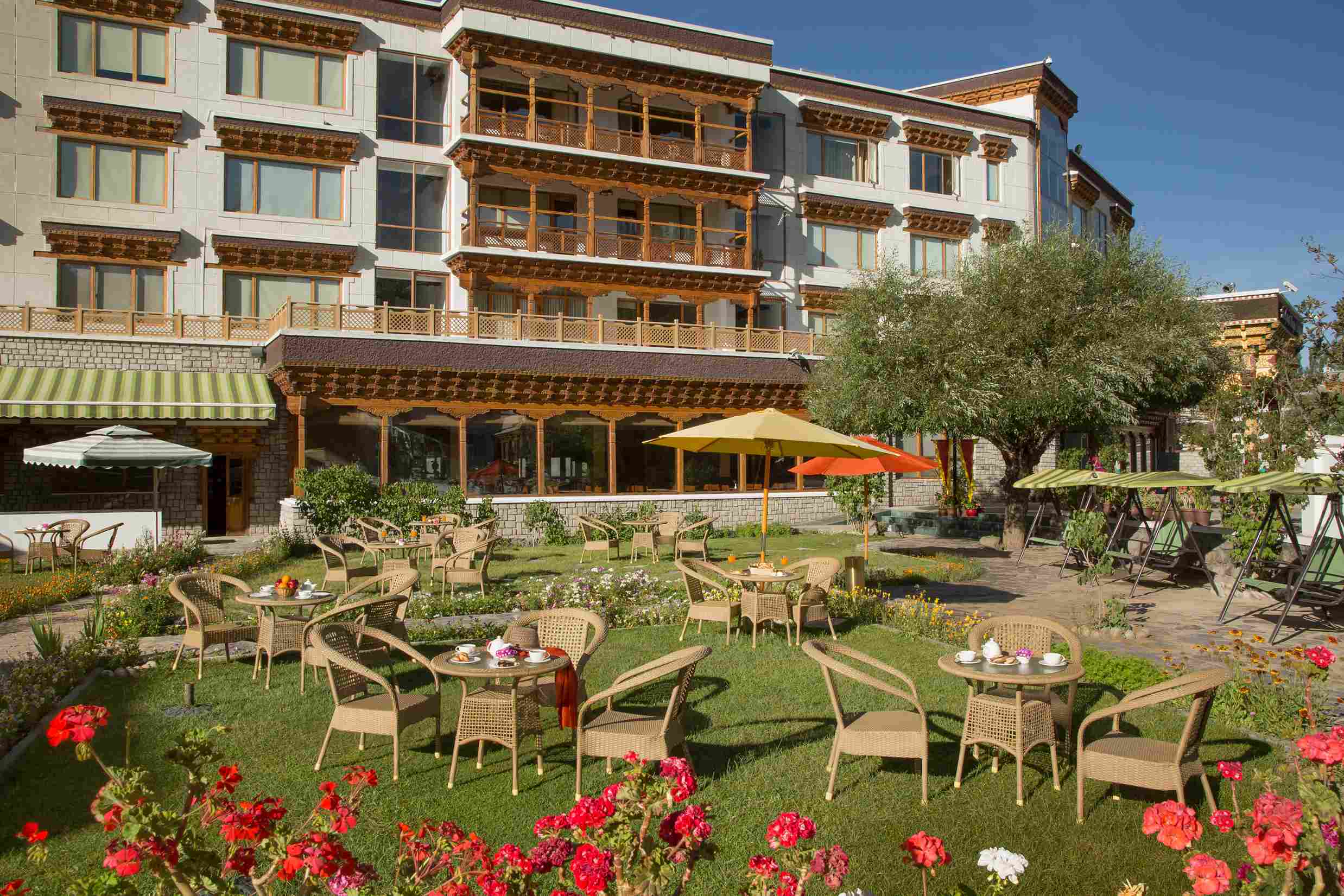
The property's approach to sustainability is built into daily operations rather than positioned as a separate initiative: solar panels for energy, artisanal water served in glass rather than plastic bottles, biodegradable consumables, and paraben-free bamboo amenities. On the dining side, local ingredients — buckwheat, sea buckthorn, and yak cheese — feature specifically because they're genuinely regional, not imported to create an impression of local sourcing.
Booking for This Window
Given Ladakh's short travel season and the specific advantages of the late August through September stretch — clearer skies, past peak crowds, still well before winter closure — rooms and spa slots at a property with this level of demand are worth securing well ahead of your actual travel dates, particularly if a specific spa treatment or room category matters to your trip.
It's also worth building at least one buffer day into your itinerary around arrival, rather than scheduling activities for the same afternoon you land — this is the single most common planning mistake first-time Ladakh visitors make, and it's an easy one to avoid with a bit of advance thought. A hotel that can accommodate a flexible first day, alongside genuine recovery facilities for that window, makes the whole trip considerably more comfortable than treating day one as just another sightseeing day.
|
Detail |
|
|
Elevation |
11,562 feet |
|
Classification |
Ladakh's only government-certified 5-star hotel |
|
Spa |
Hammam Wellness & Spa by L'OCCITANE, opened July 2024 |
|
Rooms |
75–76 rooms across Deluxe, Premier, and Luxury categories |
|
Location |
P. Namgyal Road, Sheynam, Leh, Ladakh 194101 |
Frequently Asked Questions
1. Is The Grand Dragon Ladakh a genuine 5-star hotel?
Yes — it is Ladakh's only government-certified 5-star hotel, located at 11,562 feet in Leh.
2. Does The Grand Dragon Ladakh have a spa?
Yes. Hammam Wellness & Spa by L'OCCITANE opened in July 2024, offering Mediterranean, Himalayan, and Tibetan treatments across four treatment rooms, with separate steam and sauna facilities.
3. Can spa treatments help with altitude adjustment in Leh?
Many guests use spa treatments specifically during the acclimatisation period, when more strenuous activity isn't advisable, and describe the experience as restorative during that adjustment window. This is a comfort consideration, not a medical treatment — anyone with specific health concerns about altitude should consult a doctor before travelling.
4. When is the best time to visit Leh for a comfortable trip?
Roughly May through September is Ladakh's main travel season, with late August through September often considered particularly favourable — past peak summer crowds, with increasingly clear skies, and still well before winter road closures begin.
5. What amenities does The Grand Dragon Ladakh offer for high-altitude comfort?
In-room humidifiers, sun protection and lip balm provided as standard, and additional oxygen support available on request, alongside the property's spa, gym, and yoga facilities.
6. How many rooms does The Grand Dragon Ladakh have?
75–76 rooms across Deluxe, Premier, and Luxury categories, with some Luxury rooms offering private balconies and views of the Stok Kangri range.
7. Should I plan a rest day in Leh before trekking further into Ladakh?
Most travel advisories and doctors recommend at least one full rest day in Leh before attempting strenuous activity or travelling to higher passes, to allow the body time to acclimatise to the elevation.
8. Is The Grand Dragon Ladakh a good base for trekkers?
Yes — many Ladakh itineraries use Leh as a staging point before or after a trek, and a property with genuine recovery facilities like a spa and gym is particularly useful for that kind of trip, both before setting out and afterward.
Leh's altitude isn't a footnote to a trip here — it's the first thing every visitor actually experiences, whether their hotel has planned for it or not. A genuine 5-star property at this elevation should be judged as much on how it handles that reality as on its room finishes.
The Grand Dragon Ladakh built an entire spa around exactly this, and late summer is one of the better times of year to actually use it.