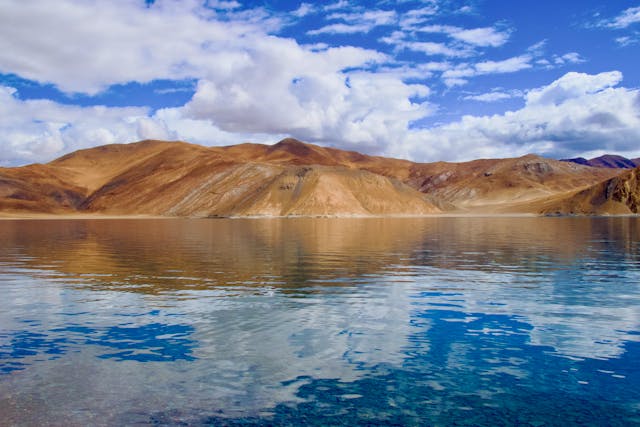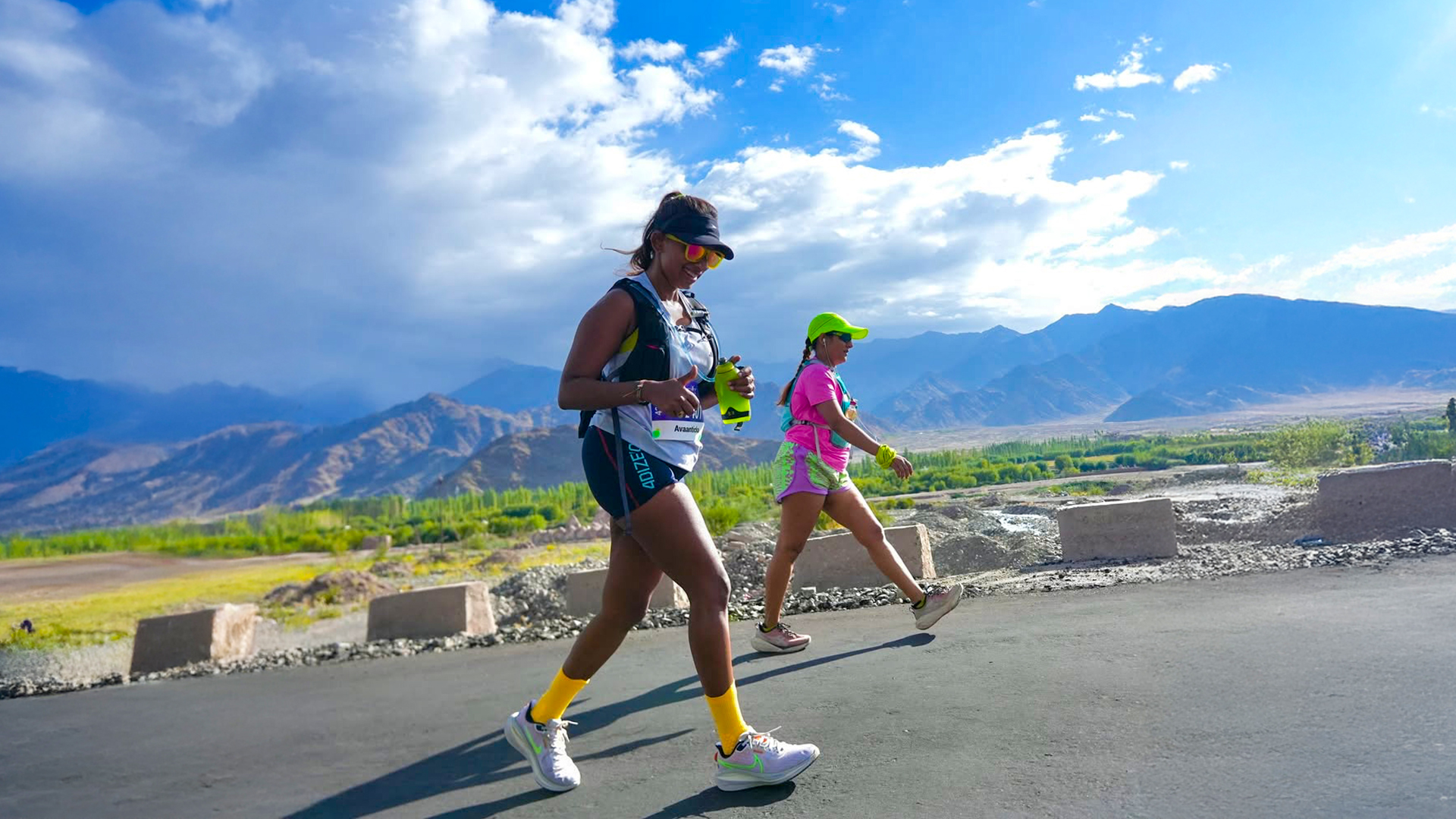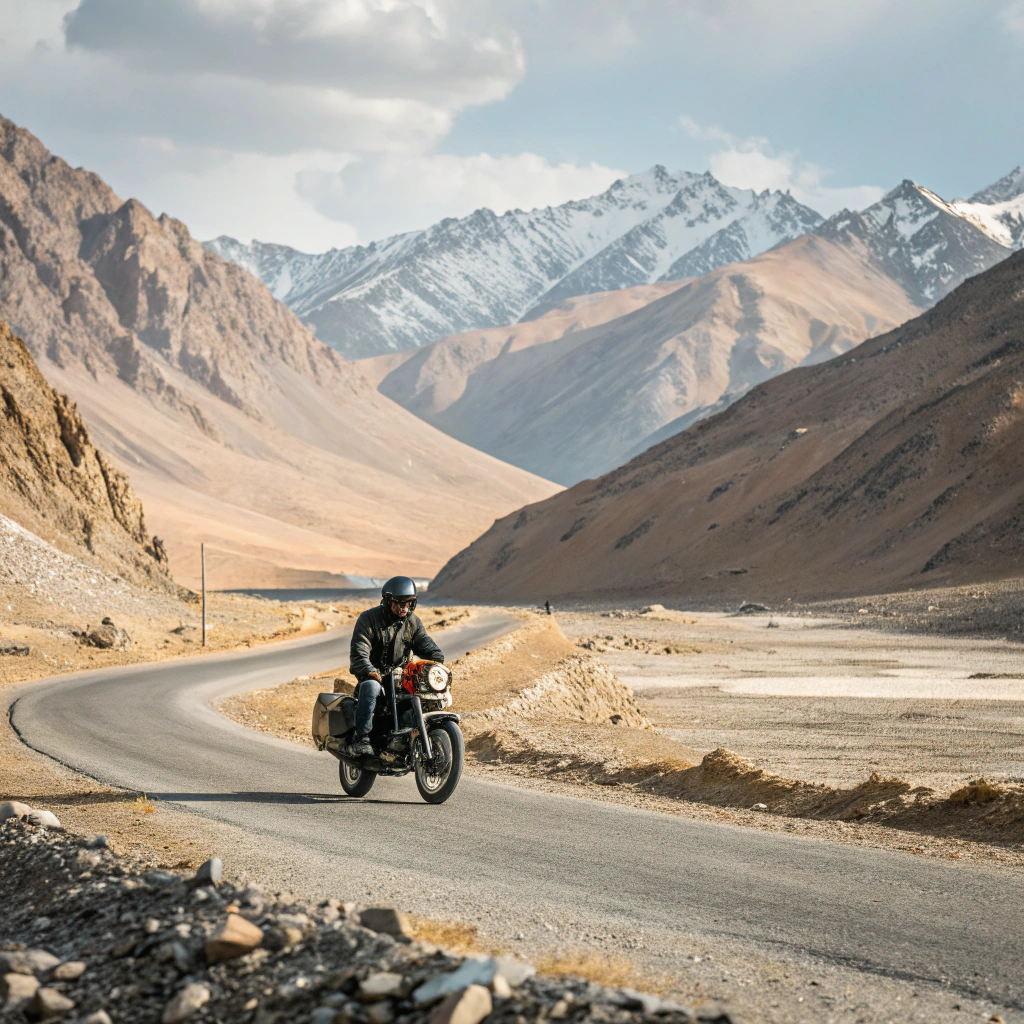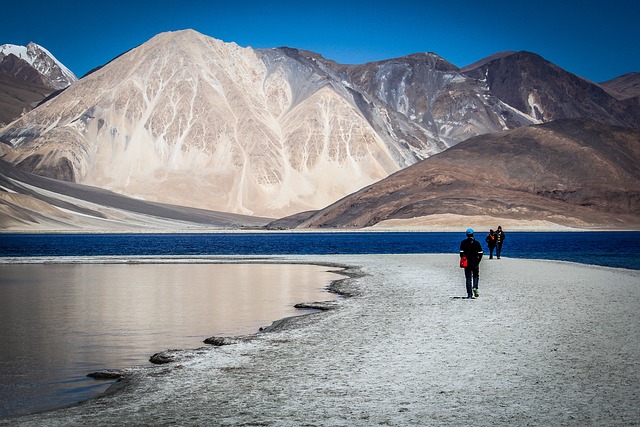

Ladakh is unlike anywhere else on earth. That sentence gets written often, but here it earns its place. At 3,500 metres above sea level, in the high-altitude cold desert of the Indian Himalayas, this ancient land operates by its own rules - extreme weather, roads that open and close with the seasons, passes that catch clouds at 5,000 metres, and a silence so complete it feels like the world has exhaled. If you're planning a trip - whether it's your first time or your fifth - timing is everything. Come too early and the roads are still buried under snow. Come too late and the nights bite hard. Come at the wrong moment and you'll miss the Pangong Lake at its most electric blue, or the monastery festivals that happen just once a year.
This guide walks you through every season honestly and practically, so you can decide exactly when your Ladakh journey begins - and more importantly, how to make it unforgettable from the moment you land.
The Grand Dragon Ladakh, Leh's premier 5-star hotel in Sheynam, is open seasonally from May through October, perfectly aligned with the best months to experience Ladakh in comfort and style.
Understanding Ladakh's Climate: Why Timing Here Is Non-Negotiable
Most Indian hill stations have mild summers and cool winters. Ladakh is not a hill station. It's a high-altitude cold desert - dry, stark, and dramatic - where the same week can bring warm afternoon sunshine and a near-freezing night. The monsoon that soaks the rest of India barely touches Ladakh, yet the Manali–Leh Highway closes because of the rains that flood the valleys further south.
There are essentially four windows a traveller needs to understand:
- Late April to May — the shoulder season awakens. Snow recedes on the Srinagar–Leh route. Ladakh is quiet, cold at night, but undeniably beautiful.
- June to September — the main travel season. Both highways open, temperatures are pleasant, and almost every sight, trek, and road is accessible.
- Late September to early October — the golden window. Fewer tourists, stunning light, the same accessibility as peak season but with a calm that is rare.
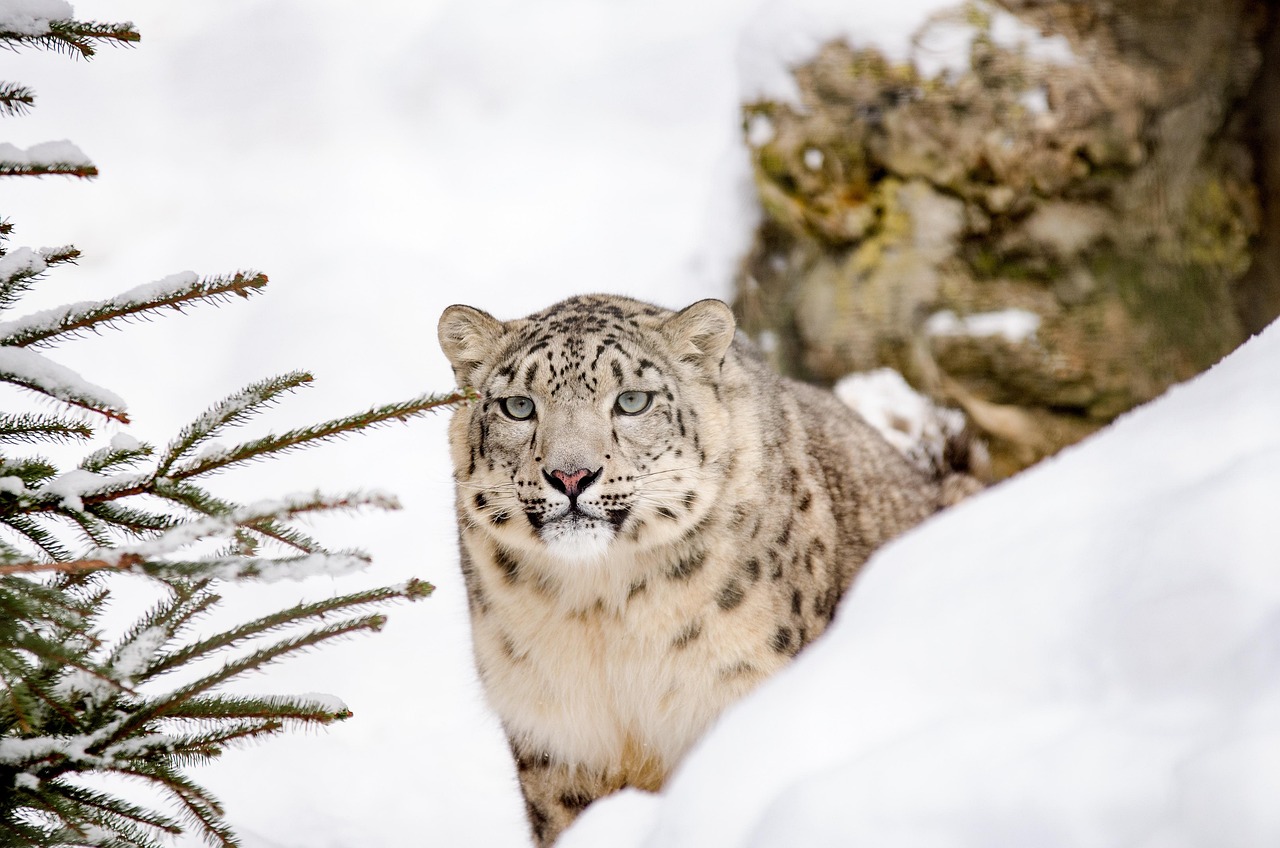
- November to March — true winter. The Chadar Trek on the frozen Zanskar River is here, as are Snow Leopard expeditions. Not for beginners or those expecting comfort.
One thing every traveller to Ladakh must take seriously: altitude. Leh sits at 3,500 metres. Your first two days should be gentle - no rushing to high passes, no strenuous trekking. This is not a suggestion; it's a medical one. A good luxury hotel with on-site wellness facilities isn't an indulgence here - it's how smart travellers acclimatise properly.
Month-by-Month Guide: When to Visit Ladakh & What to Expect
Use this at-a-glance table to match your travel style with the right season. Detailed breakdowns follow below.
|
Month |
Day Temp |
Night Temp |
Roads Open? |
Best For |
GDL Verdict |
|
May |
10–18°C |
0–5°C |
Srinagar–Leh only |
Photographers, adventurers |
⭐⭐⭐ Scenic but cold |
|
June |
15–22°C |
5–10°C |
Both roads open |
First-timers, families |
⭐⭐⭐⭐⭐ Ideal |
|
July |
18–25°C |
7–12°C |
Fully open |
All travellers |
⭐⭐⭐⭐⭐ Peak season |
|
August |
17–24°C |
6–10°C |
Open (road caution) |
Fly-in guests, couples |
⭐⭐⭐⭐ Great, fly in |
|
September |
14–22°C |
3–8°C |
Open until mid-Oct |
Photographers, serenity |
⭐⭐⭐⭐⭐ Underrated gem |
|
Oct–April |
Below 0°C |
–10 to –20°C |
Mostly closed |
Snow Leopard, Chadar |
⭐⭐ Experts only |
Season-by-Season Breakdown
May: The Quiet Awakening
May marks the beginning of the travel season, though only the Srinagar–Leh highway is reliably open at this point. The Manali–Leh highway typically opens in early June. Days can reach 15–18°C but nights still dip close to or below freezing, and most camps and smaller guesthouses haven't yet opened for the season.
What May offers is solitude. Snow still lines the roadsides. The light is extraordinary. Pangong Lake, once accessible, shimmers in early-season stillness. For serious photographers and experienced Himalayan travellers, May has a particular magic.
Grand Dragon Ladakh opens in May. Flying into Leh and settling into a well-heated, luxury room — rather than battling cold in a tent or a basic guesthouse — makes the altitude adjustment infinitely easier. The hotel's oxygen support, Koshen-motif interiors, and heated teak floors mean your body recovers beautifully while your eyes feast on the Stok Kangri range right from your window.
June: The First-Timer's Best Month
By June, both the Srinagar–Leh and Manali–Leh highways are open. Nubra Valley and Pangong Lake become accessible. Temperatures sit comfortably between 15°C and 22°C during the day, with evenings cooling to 5–10°C. The landscape is at its most varied — snow-capped peaks, newly bloomed wildflowers, and turquoise rivers running full with snowmelt.
If you're visiting Ladakh for the first time, June is where your trip should begin. It's safe for road travel, comfortable for acclimatisation, and spectacular for photography. Crowds exist but haven't yet hit peak-season levels.
Staying at The Grand Dragon Ladakh in June means arriving at a property in full swing — all restaurants, the L'Occitane Hammam Wellness & Spa, yoga sessions, cultural workshops, and the Zasgyath restaurant's full menu are operational. The hotel's patio, overlooking the Stok Kangri range, is especially beautiful in the long June evenings.
July: The Pinnacle of the Season
July is Ladakh at its fullest. Temperatures peak at 20–25°C by day, every route is operational, and the landscape is at maximum vibrancy — green valleys, blue lakes, golden monasteries. It's also the busiest month, which means planning and booking ahead is essential.
If you want to experience everything Ladakh has to offer in a single trip — Pangong, Nubra, Khardung La, the monasteries, the festivals — July is your month. Just don't expect to have the landscape to yourself.
For guests staying at The Grand Dragon Ladakh in July, the hotel's two on-site restaurants — Zasgyath, the all-day diner, and Solja, the café lounge — are at their liveliest. Evening bonfires on the patio, Bhoti calligraphy workshops, and monk interactions make July evenings here genuinely cultural experiences, not just hotel amenities. Bollywood celebrities and discerning international travellers alike choose the Family Suite and Luxury Suite during this month — book early.
August: Smart Travellers Fly In
August carries a caveat: the monsoon affects lower-lying valleys between Manali and Leh, meaning the Manali–Leh highway can experience landslides and closures. Ladakh itself remains largely dry — it sits in the rain shadow of the Great Himalayan Range — but road access from the south can be unpredictable.
The practical advice: if you're visiting in August, fly into Kushok Bakula Rimpochee Airport rather than driving up. Leh Airport is one of the world's highest commercial airports, and the flight itself — with jaw-dropping views of the Karakoram and Himalayan ranges — is an experience in its own right.
The Grand Dragon Ladakh is just 10 minutes from Leh Airport, making it the first and most logical choice for fly-in guests. There's no long drive after a short-haul flight to an already high altitude — you're at your room, with an oxygen cylinder and complimentary bottled artisanal water, within minutes of landing.
September: The Best-Kept Secret in Ladakh Travel
Ask anyone who has visited Ladakh in late September and they'll tell you: this is the month. The summer crowds have thinned. The sky is impossibly clear. The light — low, golden, and unfiltered at altitude — turns every landscape into a painting. Pangong Lake at this time of year has a particular quality of stillness that July simply cannot offer.
Nights cool down to 3–8°C by late September, so packing thermals is non-negotiable. But days remain warm enough for all outdoor activities, roads stay fully open until mid-October, and hotel rates are often more favourable than peak July pricing.
September guests at The Grand Dragon Ladakh often describe it as the perfect combination: luxury comfort indoors, extraordinary landscape outdoors, and the rare gift of space and quiet that Ladakh deserves. The spa — featuring Ayurvedic treatments, aromatherapy, steam and sauna rooms lined with Hammam stone from Kashmir — is particularly appreciated when evenings turn crisp.
October to April: For the Fearless Few
By late October, temperatures in Leh drop below freezing. The Manali–Leh highway closes. Most properties, camps, and guesthouses shut for the season. This period is the domain of two exceptional but demanding experiences: the Chadar Trek in January and February, walking the frozen Zanskar River, and Snow Leopard expeditions in the Hemis National Park area.
These are not beginner trips. They require serious preparation, the right outfitter, and a willingness to endure conditions that make altitude a secondary concern. The Grand Dragon Ladakh is closed during this period — as is most of Leh's tourism infrastructure.
Why Your Base Matters as Much as Your Timing: The Grand Dragon Ladakh
Planning the right month is half the equation. The other half is where you stay — because at altitude, your accommodation isn't just a place to sleep. It's where you acclimatise, recover, eat well, and genuinely restore after long days on mountain roads.
The Grand Dragon Ladakh has been the benchmark for luxury hospitality in Leh since 2007, when the Abdu family — who have been in Ladakh hospitality since 1974 — built a property that changed what was possible in this region. Located in Sheynam, just ten minutes from Leh Airport and a short walk from the old bazaar, it's the only 5-star hotel in Leh that manages to feel both genuinely luxurious and genuinely local.
Rooms & Suites Designed for High-Altitude Living
76 elegantly appointed rooms and suites feature Koshen motifs, Khabdan rugs, locally sourced artwork, heated teak wood floors, fresh air systems with humidifiers, and large picture windows framing the Stok Kangri range. Every room includes oxygen cylinders and camphor sachets — thoughtful touches that distinguish a hotel built for this altitude from one simply transplanted here.
Zasgyath Restaurant & Solja Café: The Best Dining in Leh
Zasgyath, the all-day restaurant, is decorated with traditional Ladakhi frescos and opens onto a patio with uninterrupted views of the Stok Kangri range. The menu blends Kashmiri, Indian, Chinese, and Continental dishes with locally sourced ingredients — buckwheat, sea buckthorn, yak cheese, Himalayan apricot — supporting farm-to-fork principles. Evening bonfires on the patio are available on request.
Solja, the café lounge, is where you linger over sea buckthorn tarts, Himalayan apple desserts, and artisanal savories — probably the most distinctive café menu in Ladakh.
Hammam Wellness & Spa by L'OCCITANE
The only L'OCCITANE spa in Ladakh offers treatments rooted in Provençal and Mediterranean traditions, alongside signature Himalayan and Tibetan therapies. Four private treatment rooms with individual showers, plus separate steam and sauna rooms lined in Hammam stone from Kashmir, make this the finest wellness facility in the region — and after days at high altitude, it earns every rupee.
Sustainability That Means Something
95 solar panels. An on-site water filtration plant producing artisanal water in sealed glass bottles — eliminating single-use plastic. Bamboo amenities. Biodegradable consumables. Paraben-free bathroom products. At altitude, in a fragile ecosystem, these aren't marketing points — they're the right way to operate.
Frequently Asked Questions About Visiting Ladakh
1. What is the best time to visit Leh Ladakh for the first time?
For first-time visitors, June and July are the most reliable months. Both highways are open, all attractions including Pangong Lake and Nubra Valley are accessible, temperatures are comfortable at 15–25°C by day, and the risk of road closures is minimal. September is the underrated choice — quieter, equally beautiful, and often more affordable.
2. Which is the best 5-star hotel in Leh Ladakh?
The Grand Dragon Ladakh, located on P. Namgyal Road in Sheynam, is widely considered the finest luxury hotel in Leh. With 76 rooms and suites, two restaurants, an L'OCCITANE spa, yoga, cultural workshops, and a position just 10 minutes from the airport, it is the benchmark for luxury hospitality in the region — and has been since 2007.
3. Is there a good spa in Leh Ladakh?
Yes. The Grand Dragon Ladakh houses the Hammam Wellness & Spa by L'OCCITANE — the only internationally branded spa in Leh. It offers Ayurvedic treatments, aromatherapy, signature Himalayan and Tibetan therapies, steam rooms, sauna, and private treatment rooms with showers.
4. What are the best restaurants in Leh Ladakh?
Zasgyath restaurant at The Grand Dragon Ladakh is consistently rated among the best dining experiences in Leh. It blends local Ladakhi ingredients with Indian, Kashmiri, and international cuisine, and its patio overlooking the Stok Kangri range is unmatched for atmosphere. Solja café, also on-site, is celebrated for its Himalayan-inspired desserts and artisanal menu.
5. How far is The Grand Dragon Ladakh from Leh Airport?
The Grand Dragon Ladakh is approximately 10 minutes by road from Kushok Bakula Rimpochee Airport, making it the most convenient luxury hotel for fly-in guests — particularly important in August and May when road travel carries more risk.
6. Is it safe to visit Ladakh in August?
Yes, with one important caveat: August monsoon rains can affect the Manali–Leh Highway, causing occasional landslides. Ladakh itself remains largely dry. The safest approach for August travel is to fly into Leh rather than drive the Manali route. Once in Leh, travel to Pangong, Nubra, and other high-altitude destinations is unaffected.
7. Do I need to acclimatise before exploring Ladakh?
Yes. Leh is at 3,500 metres above sea level. Every responsible travel guide and medical recommendation advises spending your first 24–48 hours resting, hydrating, and avoiding strenuous activity. Staying at a well-equipped hotel with oxygen support, humidified rooms, and good food makes this significantly more comfortable — and significantly safer.
Plan Your Ladakh Journey - And Book the Right Base
Ladakh rewards those who arrive prepared. The right month gives you open roads, clear skies, and accessible landscapes. The right hotel gives you comfort, recovery, and an authentic experience of the culture and cuisine that make this place extraordinary.
The Grand Dragon Ladakh is open from May through October. Whether you're arriving for the first time or returning for the fifth, it's the one address in Leh that genuinely earns its 5-star classification — in a place where that claim is harder to make than anywhere else.
Book your stay or request more information at thegranddragonladakh.com, or call +91 96222 66301. The Sheynam address: P. Namgyal Road, Sheynam, Leh, Ladakh 194101.